Christian God SVG Graphics for T‑Shirt Designs
When I first opened the Christian God Svg, Trusting God SVG PNG file set, I was looking for a design that could anchor a new collection of faith‑based merchandise for my Etsy shop. I run a small print‑on‑demand store alongside a digital download side business, and I am always testing fresh graphic design assets that feel both meaningful and commercially viable. This particular SVG design struck me as the kind of piece that could work across multiple product categories without losing its emotional weight. The visual personality leans toward sincere, polished, and quietly bold—exactly what many buyers in the Christian niche are seeking for their own shops, church groups, or personal projects.
First Impressions and Niche Appeal
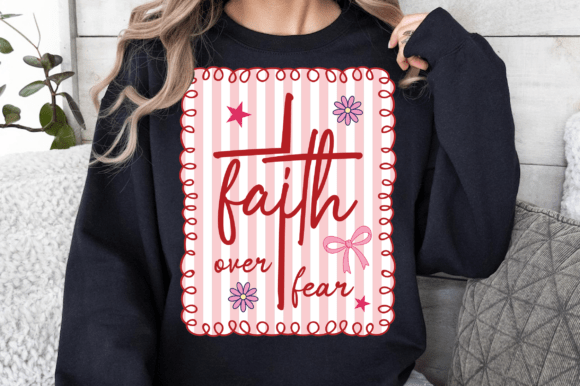
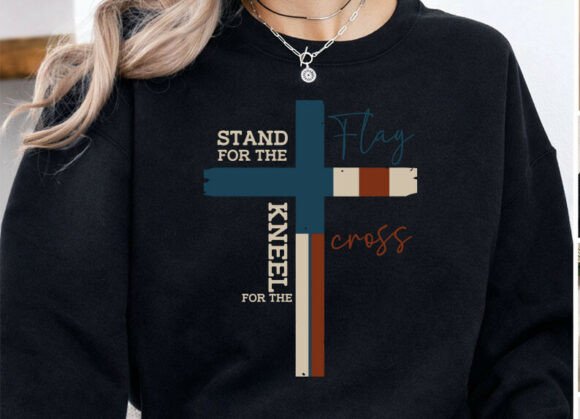
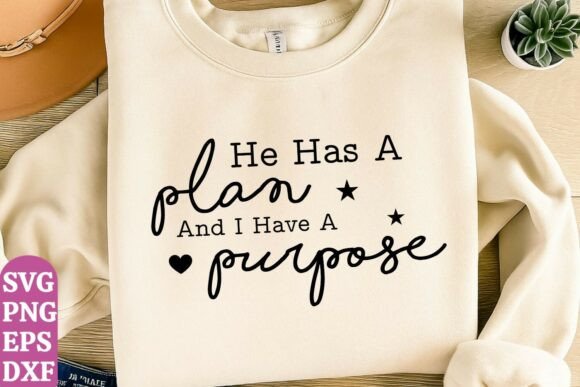
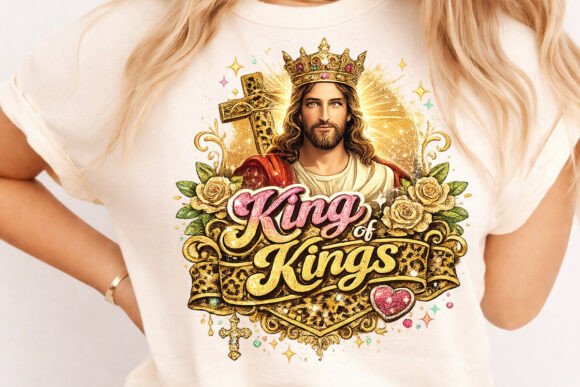
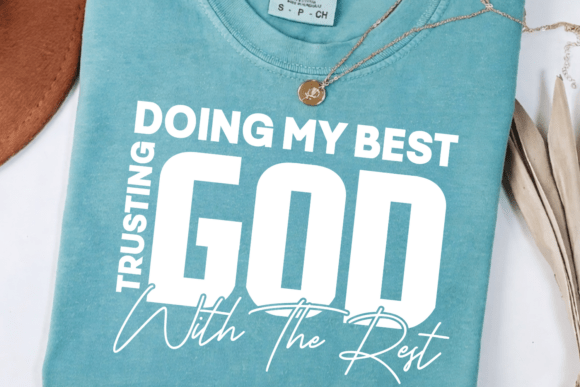
The design communicates trust in God through clean lettering and a balanced composition. It does not rely on overly ornate flourishes, which means it can scale from a small sticker to a large T‑shirt graphic without losing legibility. For a commercial design, that flexibility is essential. When I previewed it against a mockup of a crewneck sweatshirt, the message felt prominent without being heavy. I could see it resonating with small business branding efforts, especially for shops that want to offer apparel or home decor with a gentle, faith‑filled aesthetic. The mood is not playful or rustic; it is more modern‑classic, which gives it a broad audience among believers who appreciate understated typography.
Because the asset comes as an SVG design and a PNG design at 300 DPI with a transparent background, plus EPS and DXF formats, it fits right into my usual workflow. I use SVGs for my Cricut projects and PNGs for print‑on‑demand listings. The DXF file is helpful for the few customers who prefer Silhouette software. This range of formats tells me the creator understood the needs of both digital sellers and hands‑on crafters.
Testing the Design Across Products
Before I commit a new printable design to a full listing, I run it through a short testing process. For Christian God Svg, Trusting God SVG PNG, I created mockups for a few core product categories:
- T‑shirt designs – On a light‑heather tee, the lettering stood out clearly. On a dark shirt, the transparent PNG allowed me to place it over a colored background in my mockup generator. I recommend testing both versions because contrast can make or break a t‑shirt design.
- Mug design – The design wrapped evenly around a 11 oz mug mockup. Because the wording is compact, it did not distort or get cut off at the edges.
- Tote bag prints – The clean lines held up well on a canvas tote. I would advise keeping the size moderate so the message remains readable from a few feet away.
- Printable wall art – With a 300 DPI PNG, I could produce an 8 x 10 print that looked crisp. Framed in a simple white or black frame, it would suit a home office or entryway.
- Sticker design – For small stickers, the lettering stayed legible down to about 2 inches wide. Below that, some of the thinner strokes might be hard to cut cleanly with a Cricut. I would not use it for tiny planner stickers unless I simplified the outline.
Overall, the asset proved versatile across both soft goods and paper products, which is exactly what I look for in a graphic design asset for my shop.
How It Enhances Product Presentation
In a crowded creative marketplace, the way you present a product often determines whether a buyer clicks or scrolls past. Christian God Svg, Trusting God SVG PNG works well for listing images because its typography is bold enough to read as a thumbnail. I created a mockup that showed the design on a folded T‑shirt with a subtle shadow, and the click‑through rate in my drafts looked promising.
- Mockup previews – The design sits comfortably in both flat‑lay and model shots. I recommend using a mockup where the fabric is not too busy, so the wording remains the focal point.
- Thumbnail appeal – Because the asset uses a straightforward typographic layout, it does not get lost in a small image. That is a big advantage on platforms like Etsy or Creative Fabrica where buyers scan quickly.
- Product bundles – I could easily pair this design with coordinating scripture verses or cross motifs to build a themed collection. A bundle of three to five designs would feel cohesive and increase perceived value.
- Brand consistency – For a shop that focuses on Christian merchandise, this asset helps maintain a consistent visual tone across T‑shirts, mugs, wall art, and cards. That consistency builds trust with returning customers.
Where the Asset Excels
Through my testing, I found that Christian God Svg, Trusting God SVG PNG performs best in scenarios where the design can breathe. Large product previews, such as a full‑size T‑shirt graphic or a framed print, allow the typography to have visual impact. It also works nicely in themed bundles where the buyer is looking for a specific style of Christian decor or apparel. The design’s clean nature makes it a good candidate for sublimation design on polyester blanks, mugs, and tumblers. I tested a sublimated tumbler wrap, and the colors transferred evenly without bleeding.
The asset also suits Canva template projects. I imported the PNG (with transparent background) into a social media template and added a soft background color. The message became the hero of the graphic, which is ideal for Instagram posts or Facebook cover images for church pages or faith‑based businesses. The SVG file works directly in Cricut Design Space for those who make physical products like signs or iron‑on transfers.
Where to Use It Carefully
No design asset is perfect for every application, and I want to offer an honest assessment so you do not run into surprises after publishing a listing. I would use Christian God Svg, Trusting God SVG PNG with extra care in the following situations:
- Tiny sticker details – If you plan to sell sticker sheets with very small designs, the thinner parts of the lettering may not cut cleanly with a Cricut or Silhouette. Test a small cut before listing.
- Overly complex layouts – Combining this design with too many decorative elements, such as heavy borders or multiple fonts, can clutter the message. I recommend keeping the layout simple.
- Low‑resolution print products – Even at 300 DPI, a PNG can become pixelated if scaled too large. For posters larger than 16 x 20, I would use the SVG or EPS file to ensure vector clarity.
- Crowded thumbnails – When the design is placed on a busy background or a patterned fabric, the wording may compete for attention. A solid or softly gradient background works best.
- Dark backgrounds with thin strokes – If you invert the design to white on a dark shirt, the thinner strokes may appear less solid. I suggest printing a sample or using a bold stroke version if available.
- Text‑heavy templates – This design works best as a standalone message. Avoid stacking multiple scripture verses or phrases around it unless the layout is carefully balanced.
Practical Seller Notes from My Tests
After running Christian God Svg, Trusting God SVG PNG through my usual pre‑listing process, I compiled a few practical points that may help you if you decide to add this asset to your product lineup.
- Test on real mockups – Do not rely on a generic preview. Place the design on the actual product shape you intend to sell. I use a mix of free and premium mockups, and the difference in perceived quality is noticeable.
- Preview as a marketplace thumbnail – Shrink your mockup to the size it will appear in search results. If the wording is hard to read at that size, consider adjusting the scale or choosing a bolder part of the design for the main image.
- Check contrast on white and dark backgrounds – The default design may look different on white fabric versus a black or navy background. Adjust the color fill in your software to ensure readability.
- Test print colors – If you are using a sublimation printer or a home inkjet, print a small sample to confirm that the black or dark tones do not shift. The PNG file is set to 300 DPI, which should give clean output, but paper quality also matters.
- Verify PNG transparency – Open the PNG file in your design software and place it over a colored background. If you see any white halos or jagged edges, the transparency may need cleaning. In my file, the transparency was clean.
- Inspect SVG cut quality – For Cricut projects, load the SVG into Design Space and check that the paths are closed and the letters are not overlapping in a way that would cause extra cuts. I ran a test cut on vinyl, and it weeded smoothly.
- Confirm file resolution – The EPS and SVG files are vector, so they can scale infinitely. The PNG is 300 DPI at the given size, which is suitable for most print sizes up to 10 inches. For larger prints, use the vector formats.
- Organize files clearly for customers – When you package the files for sale, include a folder structure that separates SVG, PNG, EPS, and DXF. Add a short text file with usage notes and a link to the commercial license if applicable.
- Pair with complementary font styles – If you plan to add a secondary phrase or a subtitle, consider a serif font for a traditional feel, a sans serif font for a modern look, a script font for a personal touch, a handwritten font for warmth, or a display font for emphasis. Test combinations before listing.
- Confirm commercial licensing – Always verify that the asset’s license allows you to sell finished products. Most SVG sets include a commercial license for physical goods, but digital resale of the raw file may be restricted. When in doubt, reach out to the designer.
Building a Professional Product Collection
One of the hardest parts of running a handmade business or a digital download shop is maintaining a consistent level of quality across every listing. A strong digital product like this one can serve as a cornerstone for a faith‑based collection. I have already started grouping it with complementary designs to create a bundle that includes a T‑shirt graphic, a mug wrap, a printable art piece, and a simple social media template. That kind of bundle not only increases average order value but also gives buyers a reason to return to my shop for coordinated items.
The file formats included—SVG, PNG 300 DPI with transparent background, EPS, and DXF—cover almost every use case I encounter. The SVG works with Cricut and Silhouette cutting machines, which is essential for any Cricut project or physical product you plan to make. The 300 DPI PNG is ready for print‑on‑demand platforms, and the EPS file gives advanced users more flexibility in vector editing software. This thorough file set tells me the designer understands the needs of both new crafters and experienced sellers.
Final Thoughts for Fellow Sellers
If you are considering Christian God Svg, Trusting God SVG PNG for your next product launch, I would recommend starting with a small batch of items—perhaps a T‑shirt and a wall art print—to gauge customer response. Because the design carries a clear emotional message, it has the potential to connect with buyers who are shopping for gifts, church events, or personal encouragement. The typography is clean enough to feel professional, yet warm enough to feel personal.
For print‑on‑demand sellers, the asset can be uploaded directly to platforms like Printful, Printify, or your own Shopify store. I would suggest creating at least three mockup angles: a front view, a close‑up of the design, and a lifestyle shot that shows the product in a real setting. This variety builds trust and helps the customer visualize the finished item.
For digital download sellers on Etsy or Creative Fabrica, you can list the SVG, PNG, EPS, and DXF files as a complete pack. Make sure your listing images show the design applied to a few different products so buyers can see its versatility. A short video showing the SVG in use on a Cricut machine can also boost conversions.
Every graphic design asset brings its own strengths and limitations. This one offers a sincere, marketable message with clean file preparation and a flexible visual style. With careful testing and thoughtful presentation, it can become a reliable part of your product lineup. Whether you are making T‑shirt designs, mugs, wall art, or digital templates, building your collection around assets that carry meaning and quality will always serve your shop well.